UPDATED: 14.09.23
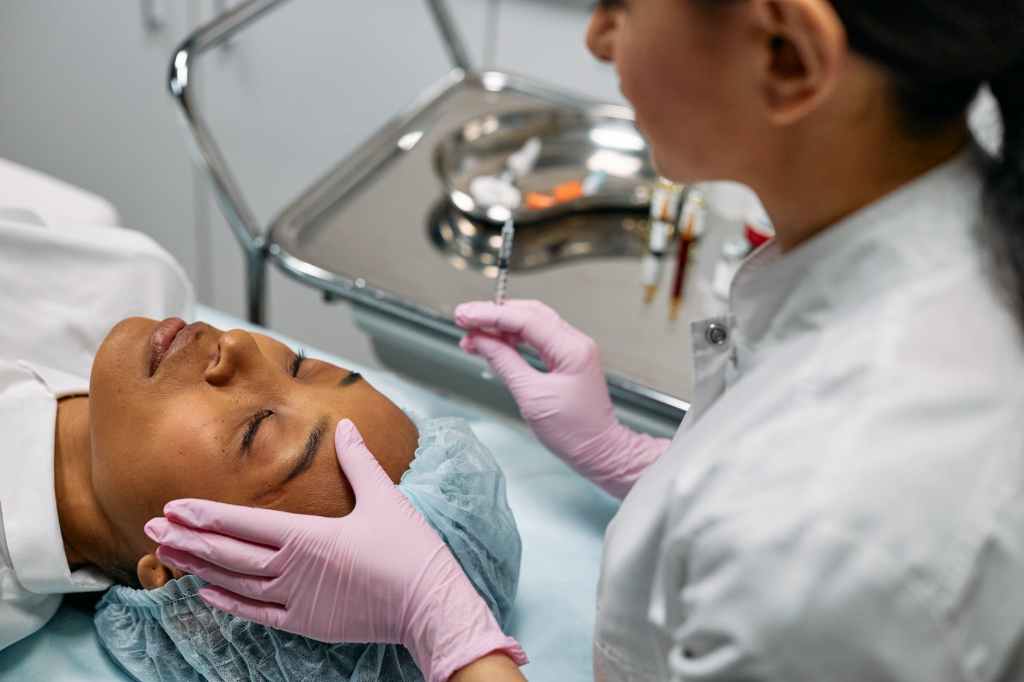
A major government consultation, launched on Saturday 2 September, seeks the views of members of the public on a new licencing scheme for non-surgical cosmetic procedures such as botulinum toxin injections, chemical peels and dermal fillers.
The new licensing scheme, developed by the BIG Task and Finish Group, will involve a practitioner licence and a premises licence and will make it an offence for anybody to carry out non-surgical cosmetic treatments without a license. It will also make it illegal to treat anyone under the age of 18 with such treatments.
The scheme seeks to ensure that people who administer cosmetic procedures are properly experienced, trained and qualified, have the necessary insurance cover and operate from premises that are clean, hygienic and suitably licensed. The scheme will be administered by local authorities across England.
Based on this definition a number of treatment modalities/procedures FHT members offer could potentially fall under the umbrella of “cosmetic procedure”, including:
(a) the injection of a substance
(b) the application of a substance that is capable of penetrating into or through the epidermis;
(c) the insertion of needles into the skin;
(d) the placing of threads under the skin;
(e) the application of light, electricity, cold or heat.
This is the first of two national public consultation exercises where an individual, or an organisation, can present opinions and provide feedback regarding the particular proposals set out in the consultation paper.
FHT Vice-President, Caroline Larissey, says: “We are pleased that the government has published the consultation on the licensing regime for non-surgical cosmetic procedures in England after the clause in the Health and Care Act was introduced more than a year ago.
“We look forward to continuing to collaborate through the Beauty Industry Group (BIG) and engaging with members and sector businesses to reflect their views and respond to the consultation by the end of October. We are particularly keen that the licensing regime protects a range of entry routes into aesthetics and achieves a level playing field between the beauty and medical sectors.”
You can respond yourself here. The consultation will run for eight weeks and will close on Saturday 28 October.
You can see the government’s full announcement here.
BIG (Beauty Industry Organisation Group) was founded in July 2019 with the aim of collaboratively working together to raise the profile and status of the Beauty Sector, considering issues facing the sector and developing an action plan to tackle them. Chaired by FHT Vice-President, Caroline Larissey, the group works alongside the Beauty Aesthetic and Wellbeing APPG helping to raise the profile and the contribution the beauty, aesthetic and wellbeing sector make to the UK Economy.
The BIG Task and Finish Group for Licencing is one of three specific groups, focusing on a key area of policy that effects the Beauty Sector. This group is working towards common agreement for the detail of the proposed licencing scheme for aesthetic non-surgical cosmetic procedures, tabled within the Health Care Bill amendment and scope of reach to implement such a scheme.
 FHT Blog
Leave a reply