
We speak with Lynne Booth (Booth VRT) as part our 2023 Training Conference about her journey into holistic therapy and her work as a reflexologist, ahead of her FHT seminar which you can find here.

Tell us a bit of background about yourself and your interests…
I have always been interested in health and nutrition, but my career path was starting as a technician at college, followed by a university degree before working for IBM, the computer company, where I ran a library and information centre. 30 years ago, I consulted a reflexologist and nutritionist with great success after a prolonged bout of pneumonia, inspiring me to make a drastic career change.
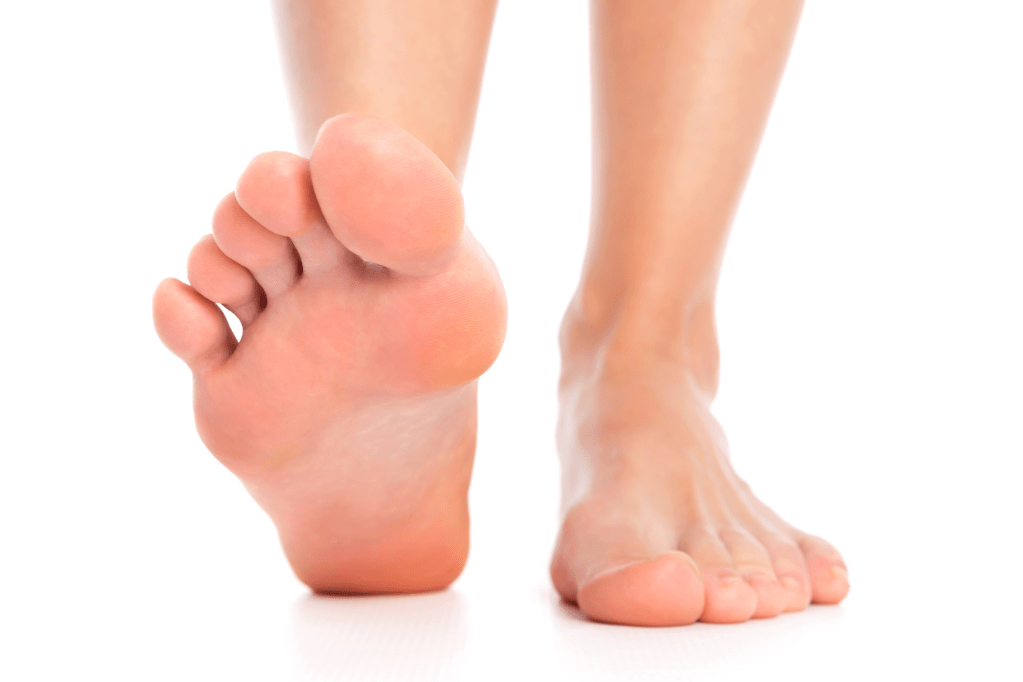
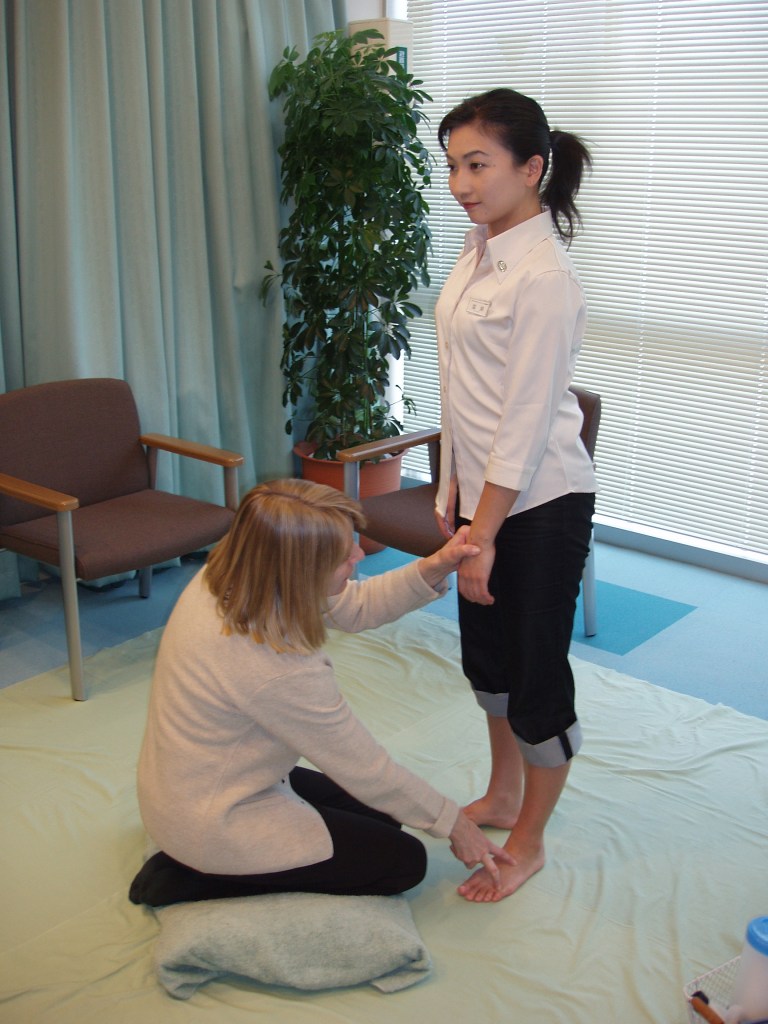
I studied for my diploma in London with Tony Porter (now of ART) when he was teaching with Dwight Byers at the International Institute of Reflexology (IIR). I qualified in January 1993 and began working at a large nursing home complex in Bristol as a reflexologist alongside my private practice. It was there that I discovered Vertical Reflexology Techniques (VRT), where the body is briefly worked through the dorsal weight-bearing hand and foot reflexes.
I had teaching and presenting skills already, but I did not consider becoming a tutor until I discovered VRT in the early ’90s and found there was an immediate great demand for reflexologists to learn more. I did not begin teaching until about four years later, having undertaken my own research concerning a very positive medically observed study in 1997.
What do you enjoy most about your job as a therapist?
As a therapist, I enjoy getting to know my clients and trying to find ways of helping them through reflexology and by teaching them self-help techniques on the hands. As a tutor, I love passing on reflexology skills to reflexologists at a post-graduate level to enhance their practice by incorporating VRT. VRT often works quickly and I am always pleased to see students get results in my classes.
Are there any challenges you have had to overcome as a therapist and teacher?
When I first qualified, reflexology was not as well known or accepted as it is today and was met with a lot scepticism. I, however, was fortunate to live next to my daughter’s junior school where many of the parents were willing to have free reflexology treatments while I trained. This helped me establish a future client base. In the early days, I had to realise that I could not treat, or get good results, with everyone and others may not want this particular therapy.
One particular challenge of mine was when VRT suddenly became very well-known in 1997 because of national newspaper articles. I was inundated with requests from people in need with unrealistic hopes of a ‘cure’. I felt overwhelmingly sad and powerless to read, first hand, about individual chronic ill health. I realised early on that we cannot help everyone, but that each positive therapeutic treatment we offer helps to make the world a better place.

What is your seminar about and what can viewers expect to come away with?
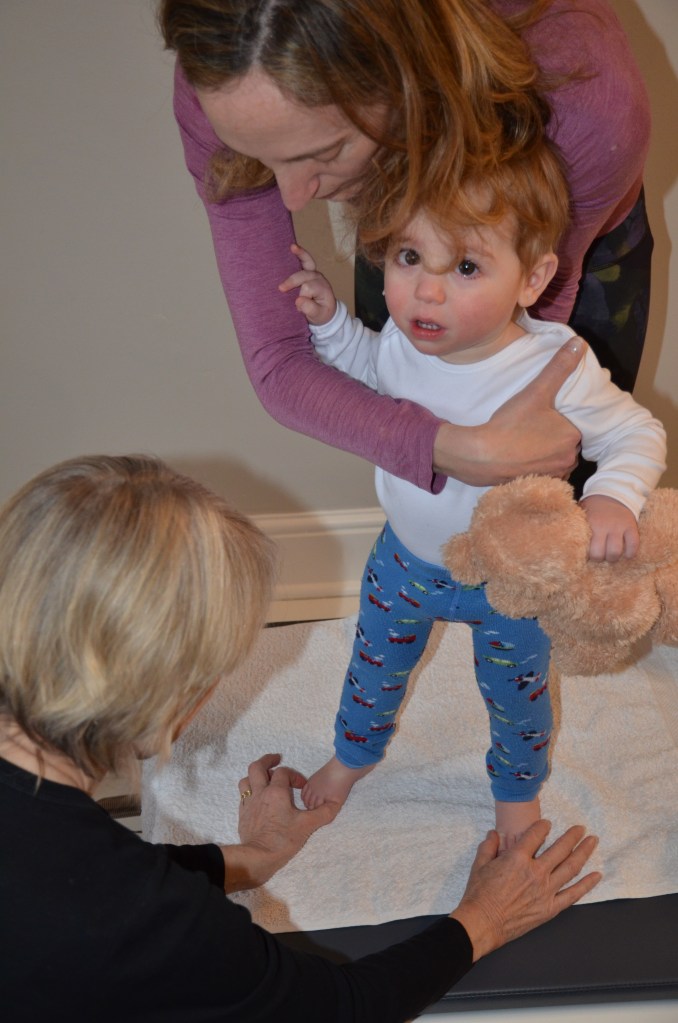
My seminar, The Versatility of VRT, looks at the differing applications for children, athletes and older persons. It aims to show how a reflexologist, using their wonderful classical reclining skills, can incorporate the VRT techniques into their sessions (for a few minutes at the start and finish) with no increase in appointment time. All VRT techniques were developed on chronically sick older people and then adapted and developed for all clients including elite sportspersons for prevention and rehabilitation The VRT techniques can be applied in the reclining position on the hands, seated and briefly standing. I have VRT developed Reflexology and Movement techniques and I demonstrate some and the person watching the seminar can practice for self-help.
What is it about your topic that appeals to you and why is it useful for therapists?
My topic should appeal to a wide range of reflexologists and many will hopefully also be interested in my work for 27 years at a 400 person residential care/nursing home village for older people in Bristol. I also worked alongside the medical team of a Championship Football club for 16 years and was instrumental, with the club doctor, in helping to set up an observational study for a 4th year iBSc medical student at Queen Mary University London on the potential uses and efficacy of reflexology in a professional football clubs in 2015-2016. Techniques developed on these two contrasting groups of clients can be used on all clients, including children and babies.

What is one piece of advice you have for therapists wanting to develop their therapy practice?
Be ready to go that extra mile for a client, but keep suitable boundaries and have patience as it takes a while to build up a practice. Remember that extra CPD courses give you ‘new tools’ for your ‘tool box’.
What do you consider to be the most important traits and skills for a therapist to have?
Compassion, warmth and generosity of spirit, total professionalism and integrity with an interest in learning new skills.
Do you have a goal for 2023?
My basic and advanced VRT courses have been online for two years. It is my goal to complete a online VRT Reflexology and Movement course…and also to never stop learning!

To see Lynne’s seminar, and others similar, book your FHT Training Conference 2023 tickets today at www.fht.org.uk/conference

 FHT Blog
Leave a reply